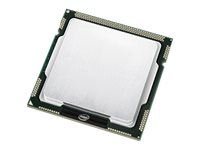
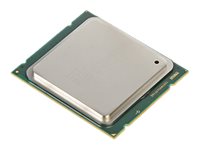
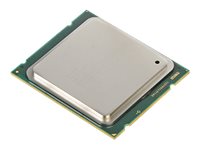
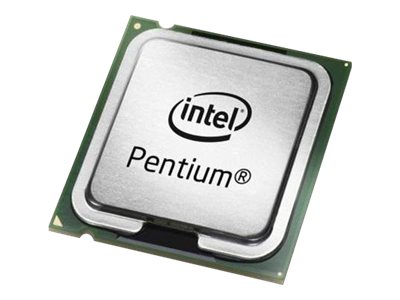
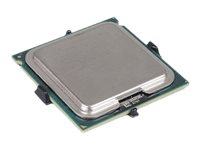
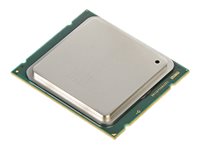
Reseña y comparación detallada entre Intel Xeon E5-2620 y Intel Core i7 4770 (4th Gen). Con nuestro completo resumen, puedes comparar de forma sencilla el rendimiento general, los tamaños de caché, la RAM, la eficiencia energética, la arquitectura y también otras características clave de ambos procesadores y decidir fácilmente cuál es la opción más adecuada para ti. Nuestra meta es ayudarte a identificar las principales diferencias entre los productos y encontrar el procesador que se ajuste a tus necesidades y expectativas.
| GENERAL | Intel Xeon E5-2620 | Intel Core i7 4770 (4th Gen) |
|---|
| Tipo de producto | Procesador | Procesador |
|---|---|---|
| Cantidad envasada | 2 (las especificaciones son para un solo artículo) | - |
| PROCESADOR | Intel Xeon E5-2620 | Intel Core i7 4770 (4th Gen) |
|---|
| Tipo | Intel Xeon E5-2620 | Intel Core i7 4770 (4th Gen) |
|---|
| ARQUITECTURA |
|---|
| Cantidad de procesadores | 1 | 1 |
|---|---|---|
| Zócalo de procesador compatible | LGA2011 Socket | LGA1150 Socket |
| Voltaje del núcleo | 0.65 V - 1.30 V | - |
| Proceso de fabricación | 32 nm | 22 nm |
| Potencia de diseño térmico | 95 W | 84 W |
| Especificación térmica | 71 °C | - |
| Revisión PCI Express | 3.0 | 3.0 |
| Configuraciones PCI Express | - | 1x16, 2x8, 1x8+2x4 |
| Cantidad de carriles PCI Express | 40 | 16 |
| Características | Tecnología Hyper-Threading | Enhanced SpeedStep technology, Hyper-Threading Technology, Execute Disable Bit capability, Intel Virtualization Technology, Intel Trusted Execution Technology, Intel Turbo Boost Technology 2.0, Intel My WiFi Technology, Intel Anti-Theft Technology, Intel AES New Instructions (AES-NI), Thermal Monitoring Technologies, Intel vPro Technology, Idle States, Intel VT-x with Extended Page Tables (EPT), Intel Identity Protection Technology, Intel Secure Key, Intel TSX-NI, Intel Stable Image Platform Program (SIPP), Intel OS Guard |
| RENDIMIENTO |
|---|
| Número de núcleos | 6 núcleos | Cuatro núcleos |
|---|---|---|
| Número de hilos | 12 hilos | 8 hilos |
| Velocidad de reloj (frecuencia) | 2 GHz | 3.4 GHz |
| Velocidad Turbo máxima | 2.5 GHz | 3.9 GHz |
| Velocidad del bus | 1333 MHz | - |
| Computación de 64 bits | Sí | - |
| MEMORIA CACHÉ |
|---|
| Caché | 15 MB | 8 MB |
|---|---|---|
| Detalles de la memoria caché | Smart Cache - 15 MB | L3 - 8 MB |
| Tamaño instalado | 15 MB | 8 MB |
| GRÁFICOS INTEGRADOS (GPU) | Intel Xeon E5-2620 | Intel Core i7 4770 (4th Gen) |
|---|
| Tipo | - | Intel HD Graphics 4600 |
|---|---|---|
| GPU Frecuencia base | - | 350 MHz |
| Frecuencia dinámica máxima | - | 1.2 GHz |
| Tamaño máximo de memoria admitido | - | 2 GB |
| Resolución máxima admitida | - | 4096x2304@24Hz (HDMI), 3840x2160@60Hz (DP), 3840x2160@60Hz (eDP), 1920x1200@60Hz (VGA) |
| Características | - | Intel FDI, tecnología Intel Clear Video HD, tecnología InTRU 3D, vídeo Intel Quick Sync, pantalla inalámbrica Intel (WiDi), Intel Insider |
| EXPANSIÓN Y CONECTIVIDAD | Intel Xeon E5-2620 | Intel Core i7 4770 (4th Gen) |
|---|
| Ranuras compatibles | 1 x procesador - Zócalo LGA2011 | 1 x procesador - Zócalo LGA1150 |
|---|
| VARIOS | Intel Xeon E5-2620 | Intel Core i7 4770 (4th Gen) |
|---|
| Accesorios incluidos | Disipador pasivo | - |
|---|---|---|
| Estándares compatibles | RoHS, WEEE, REACH | - |
| Servicio y asistencia | Garantía limitada - piezas - 1 año | - |

 cs
cs
 sk
sk
 en
en
 de
de
 it
it
 fr
fr
 hu
hu
 pt
pt
 ru
ru
 pl
pl
 br
br
 ro
ro